Northern California outages are not only a wildfire-season issue. Winter storms, heavy rain, wind, falling trees and local equipment problems can interrupt utility power in Solano, Napa, Yolo, Sacramento and surrounding counties. Homeowners who want greater resilience should understand the difference between a solar-only system and solar paired with battery backup.
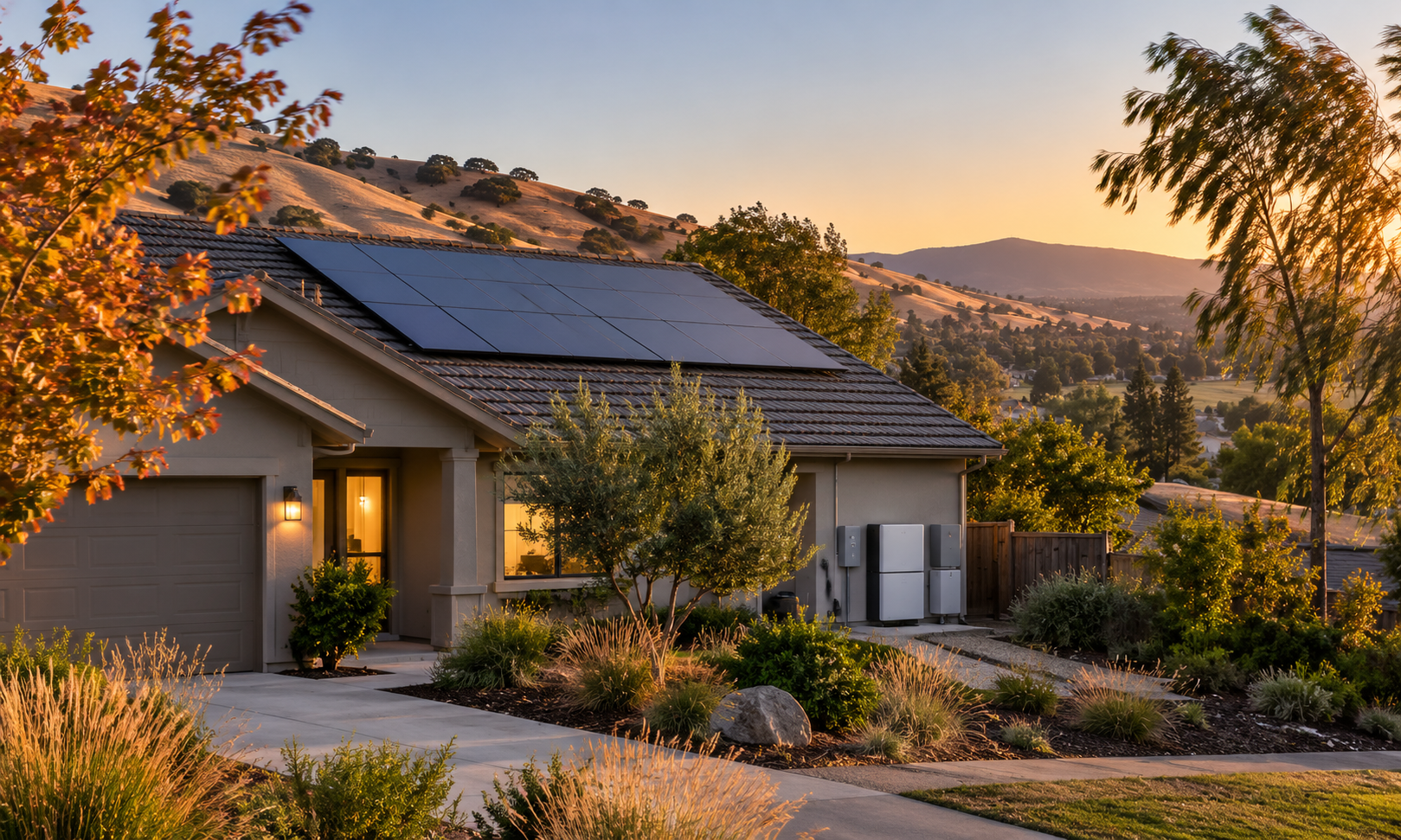
Ambrose Solar offers battery storage solutions that integrate with residential solar to provide intelligent energy management and backup capability.
Solar Alone Usually Shuts Down With the Grid
A standard grid-tied solar system generally stops operating when utility service is unavailable. This safety feature helps prevent electricity from flowing onto utility lines while crews may be working.
That means a sunny winter day does not automatically keep a solar-only house powered during an outage.
Battery Storage Creates a Backup Path
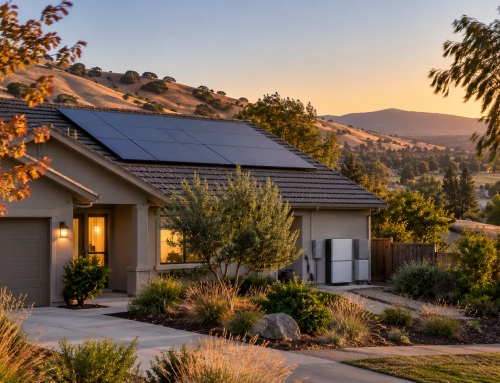
A properly configured battery system can isolate the home and power selected circuits. Depending on the equipment and design, solar may continue recharging the battery during daylight while the grid remains unavailable.
Decide Which Loads Matter Most
- Refrigeration and freezers
- Medical equipment
- Internet and communications
- Lighting
- Security systems
- Selected outlets
- Heating equipment where supported by system design
Large loads such as EV charging, electric water heating or whole-home HVAC can shorten battery runtime significantly.
How Long Will a Battery Last?
There is no one runtime for every home. It depends on usable storage capacity, battery output and how much electricity the household is using.
A family that limits usage to refrigeration, communications and basic lighting may stretch backup much longer than one running multiple large appliances.
Review the Battery App Before Winter Weather
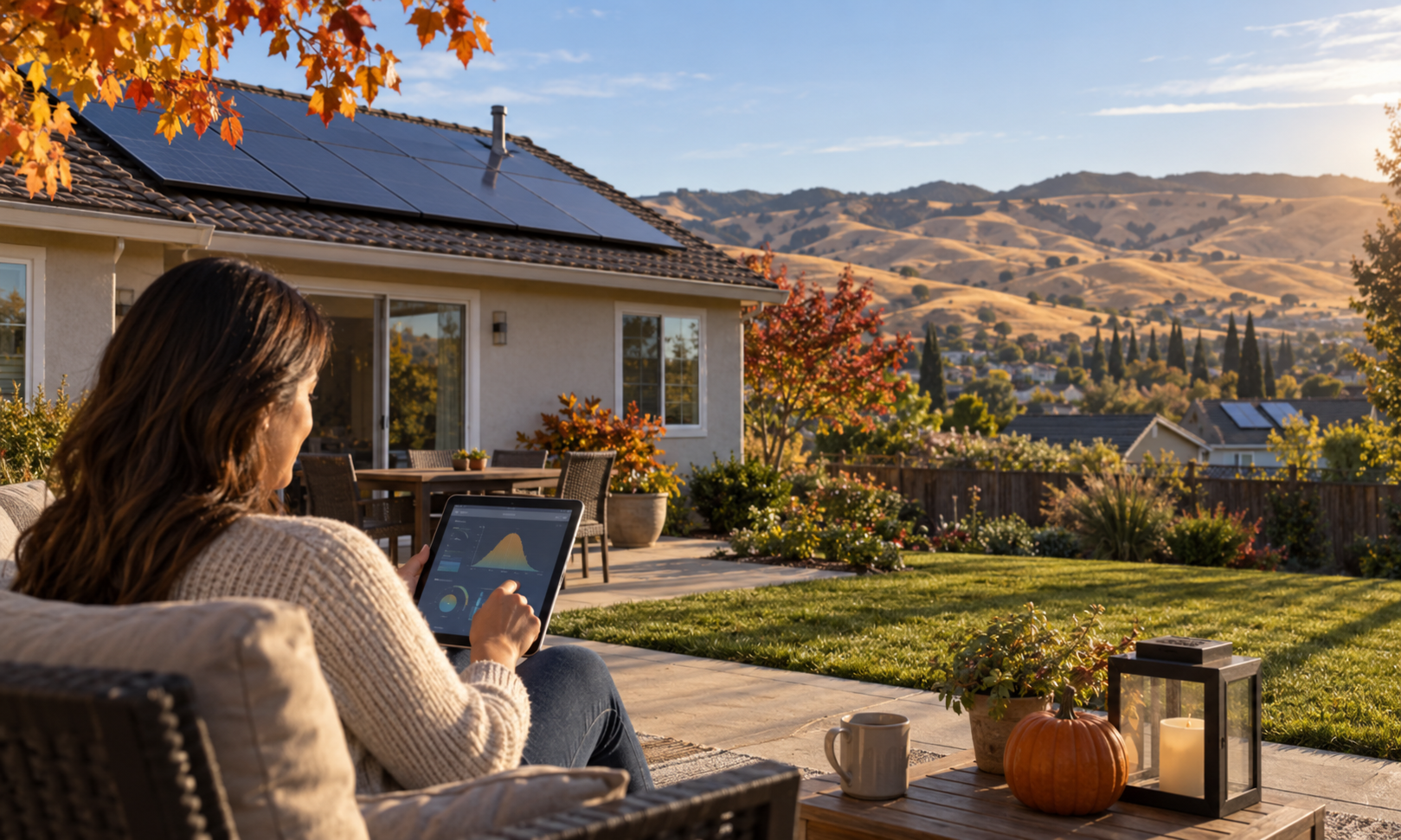
Know the battery charge level, reserve settings and backed-up circuits before an outage. Ambrose’s storage offerings include app-based monitoring and smart energy management.
SPAN Can Help Prioritize Circuits
Ambrose also offers SPAN smart-panel technology. Circuit-level monitoring and load control can help homeowners see where energy is going and prioritize essential loads when backup power is limited.
Have Existing Solar Serviced Before Relying on It
A battery backup strategy depends on a healthy solar system. If production or monitoring is already abnormal, use Ambrose’s service and maintenance team to diagnose the issue.
Can Existing Solar Add a Battery?
Often, yes. Compatibility depends on inverter architecture, electrical service, available space and desired backup loads. A site evaluation can determine whether the existing system can be upgraded.
What About NEM 3.0 and Everyday Battery Use?
For newer California solar customers, storage can be useful even when the grid is operating normally because it allows more daytime solar energy to be used later rather than exported immediately. Ambrose’s guide to battery storage under California’s current net-billing environment explains this relationship in more detail.
Winter Outage Checklist
- Confirm solar monitoring is normal.
- Review battery reserve and state of charge.
- Know which circuits are backed up.
- Keep phones and emergency devices charged.
- Reduce discretionary loads during longer outages.
- Keep utility alerts enabled.
- Schedule service before storms if equipment is already showing faults.
Frequently Asked Questions
Can solar recharge my battery during an outage?
Many modern systems can be configured to do so, depending on equipment, available sunlight and system design.
Can a battery run my furnace or heat pump?
Possibly, but heating loads vary widely. The system should be designed specifically around the equipment you want to support.
Does Ambrose offer battery storage without a new solar installation?
Existing solar homes can often be evaluated for storage upgrades. Compatibility and electrical design should be reviewed first.
Winter Backup and Wildfire Backup Are the Same Core Design Problem
The weather trigger changes, but the home still needs to know which loads matter and how much stored energy is available. A battery installed for PSPS resilience can also provide value during winter storm outages, making year-round planning more useful than designing around one season only.
Plan for Cloudy Recharge Days
Winter storms may reduce solar production exactly when an outage occurs. Backup calculations should consider a cloudy recharge day, not only a perfect clear-sky scenario.
Prepare for Winter Outages Before the Weather Turns
Homeowners throughout Northern California can explore battery storage with Ambrose Solar and build a backup strategy around the loads their household actually needs.