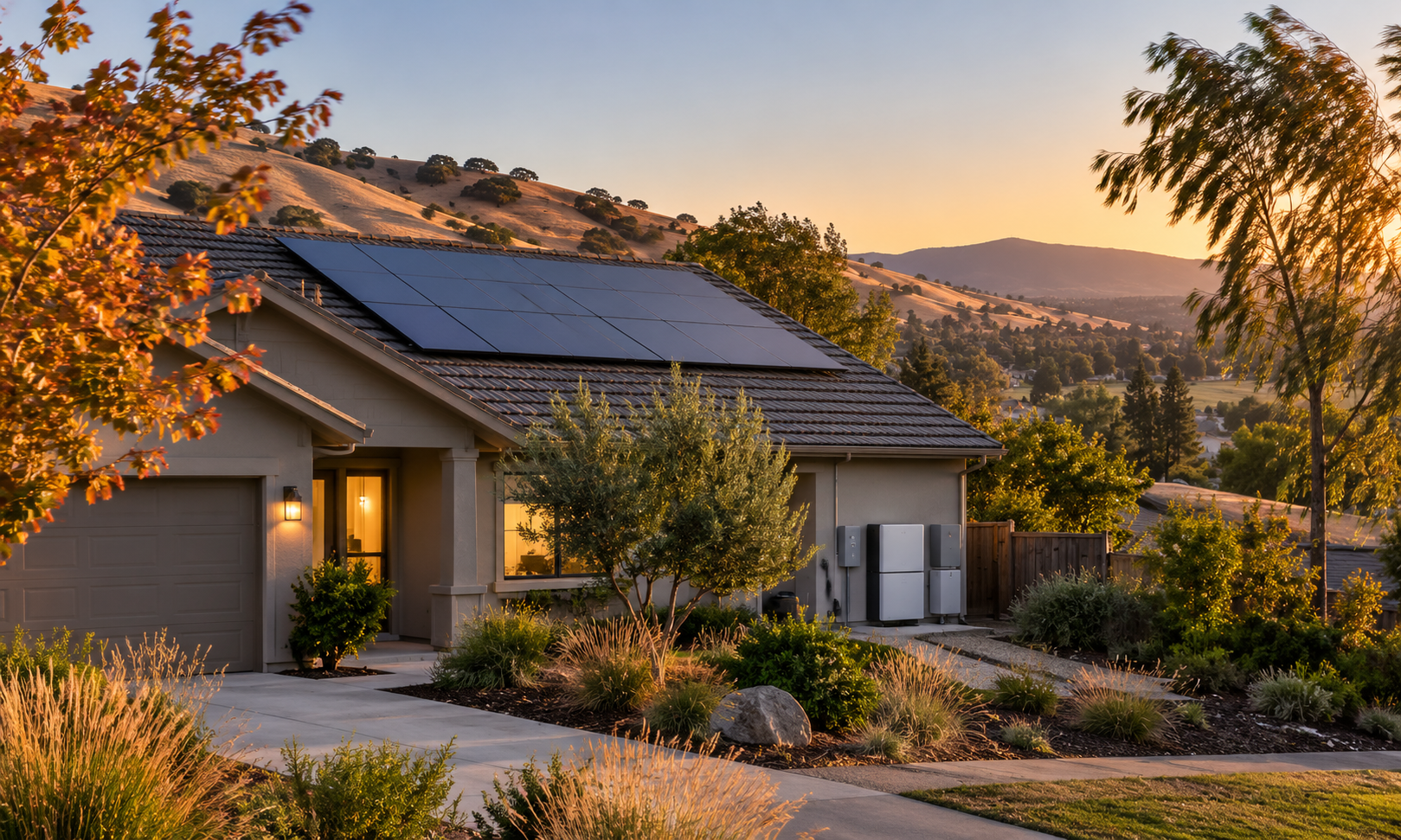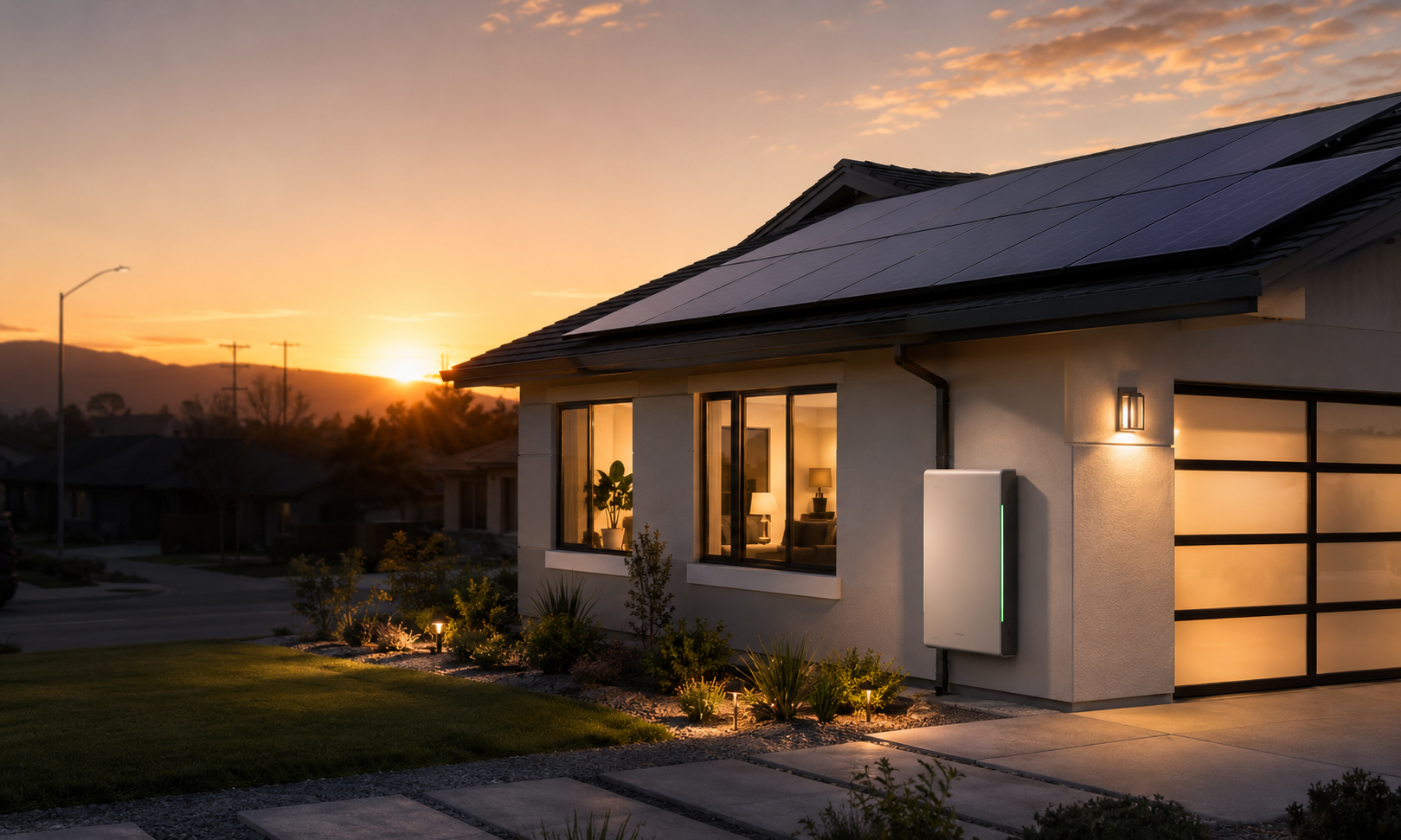
November marks the transition from Northern California’s long dry season into wetter winter weather, making it a smart time to check an existing solar system before repeated rain and wind arrive. Solar arrays are designed for outdoor exposure, but monitoring, roof penetrations, wiring, debris and equipment performance still deserve attention when something looks or behaves differently.
Ambrose Solar is based in Vacaville and provides solar service and maintenance throughout Solano County and broader Northern California, including support for systems installed by other companies.
Start With Monitoring Before the First Big Storm
Open the solar app or monitoring portal and confirm that production data is current. Save a screenshot of normal operation so you have a reference if the system behaves differently after wind or heavy rain.
Look for inverter warnings, communications errors or sudden production changes that do not match the weather.
Dry-Season Dust May Still Be on the Array
Months of dry Central Valley weather can leave dust, pollen, agricultural debris, ash and bird material on panels. Rain may rinse light surface dust, but it does not automatically remove heavier buildup or sticky debris.
Do not climb onto a wet roof to clean panels. If soiling appears significant or production is lower than expected, schedule professional service.
Look for Leaves and Windblown Debris From the Ground
Fall leaves and branches may collect around arrays or roof valleys. Inspect safely from the ground and avoid pulling on wiring or reaching beneath panels.
Pay Attention to Roof Leaks
If water staining appears near the solar area, the roof and solar penetrations should be evaluated rather than assuming the panels themselves caused the leak. Flashing, roofing material and unrelated roof penetrations can all contribute to water entry.
Ambrose Solar’s service program includes system inspection and removal/reinstallation when roofing work is required.
After a Wind Event, Compare Production
A system may look normal from the driveway while monitoring shows that an inverter, microinverter or string is not performing. Compare post-storm production with the recent baseline and document any alert messages.
Review Battery Backup Settings
Ambrose offers Tesla Powerwall and Sigenergy battery storage for energy management and backup. Before rainy-season outages, review reserve settings and make sure the household understands which circuits are supported.
Check the Electrical Panel and SPAN Data
Homes using SPAN or other smart energy-management equipment can review circuit-level energy use before winter. This can help identify large loads that may reduce battery runtime during an outage.
What If Your Original Installer Is Gone?
Ambrose Solar specifically supports “orphaned” solar systems. The service team provides inspections, repairs, inverter diagnosis, monitoring, critter guard installation, energy-bill review and manufacturer-warranty support even when Ambrose did not install the original system.
Northern California November Solar Checklist
- Confirm monitoring is current.
- Save a normal production baseline.
- Look for debris from the ground.
- Review inverter or battery alerts.
- Watch ceilings and attic areas for new water staining.
- Review battery reserve settings.
- Schedule service when post-storm production changes unexpectedly.
Frequently Asked Questions
Do solar panels work in Northern California rain?
Yes, but production is lower when clouds reduce the amount of sunlight reaching the modules.
Should I wash panels while it is raining?
No. Avoid rooftop work in wet conditions. Schedule professional cleaning if the array needs attention.
Can Ambrose service a system installed by another company?
Yes. Ambrose Solar’s current service program specifically supports systems installed by other contractors.
Critter Guards Deserve a Quick Visual Check
Ambrose Solar offers critter-guard installation because birds and small animals can nest beneath rooftop arrays. Wind and debris can loosen protective mesh over time. From the ground, look for obvious displacement or nesting material and have it serviced professionally if needed.
Keep a Winter Service File
Save screenshots of alerts, dates of outages, invoices and any manufacturer warranty correspondence. If a component later fails intermittently, that history can help the technician see a pattern instead of starting with no context.
Use November to Establish a Winter Solar Baseline
If your Northern California system needs inspection, repair or maintenance, submit a service request to Ambrose Solar before winter weather makes troubleshooting more inconvenient.