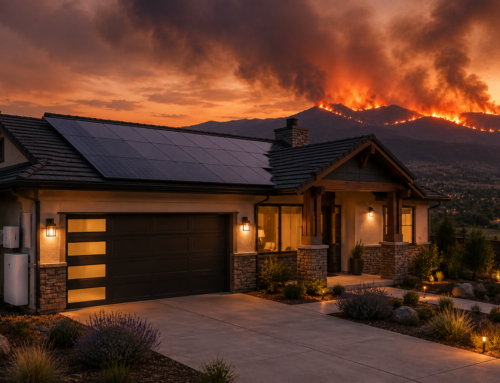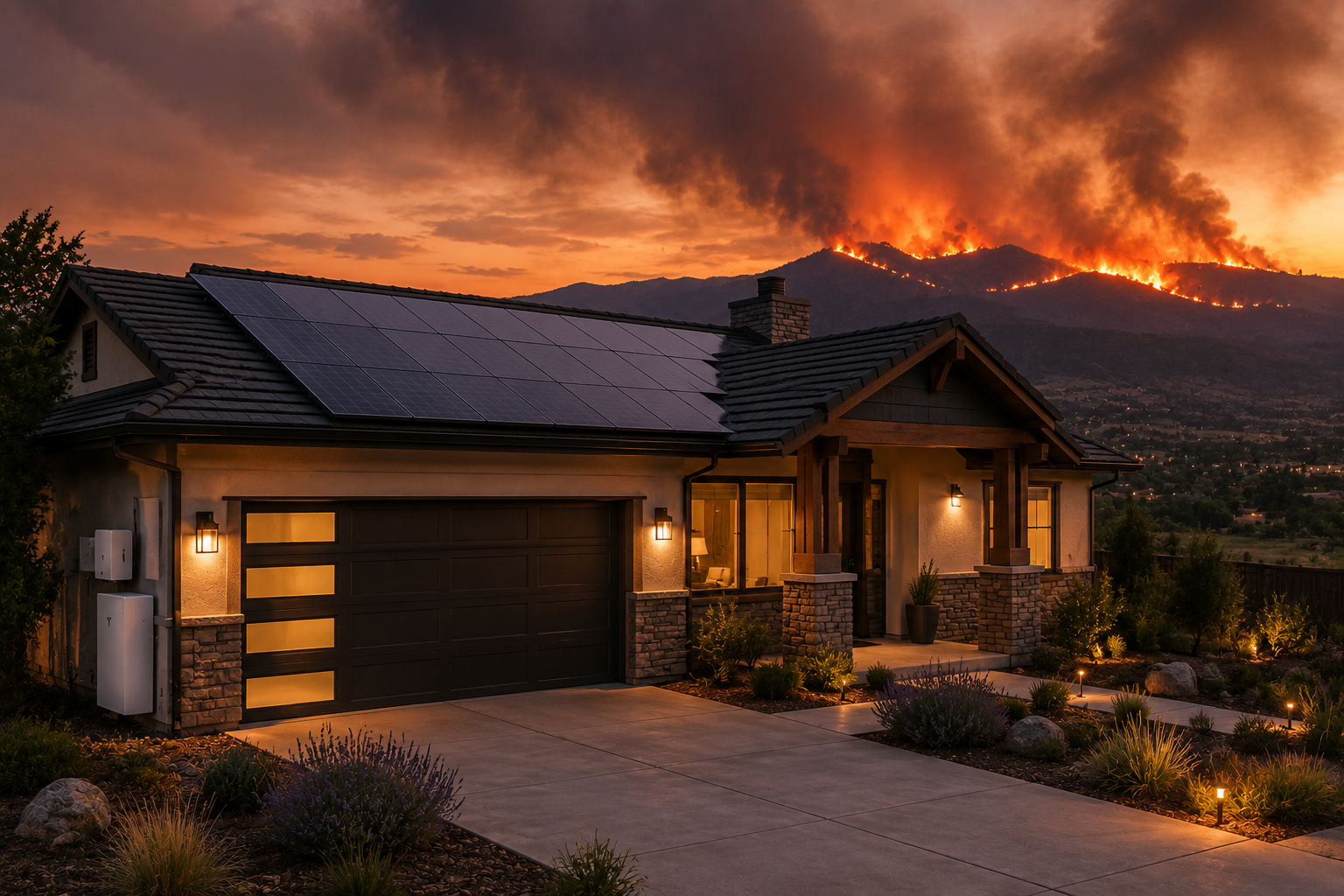
Northern California Red Flag Season brings an increased risk of wildfires, power shutoffs, and PG&E Public Safety Power Shutoff (PSPS) events. For homeowners with solar, adding battery backup can help keep essential appliances and systems powered when the grid goes down.
October can bring some of Northern California’s most disruptive fire-weather conditions, making outage preparation especially relevant for homeowners in Solano, Napa, Yolo, Contra Costa, and surrounding counties. PG&E may use a Public Safety Power Shutoff (PSPS) when weather and vegetation conditions create elevated wildfire risk. Solar-plus-battery systems can help homeowners reduce grid dependence and maintain selected loads when utility power is unavailable.
Ambrose Solar is based in Vacaville and serves Solano County and communities across Northern California with residential solar, battery storage, and ongoing system service.
What Is a PSPS?
PG&E explains that a Public Safety Power Shutoff may be considered when factors such as low humidity, high winds, dry ground material, vegetation near power lines, and Red Flag Warnings raise wildfire risk. Homeowners can review current guidance through PG&E’s PSPS resources.
Why Solar Alone Is Not the Same as Backup Power
A standard grid-connected solar array generally shuts down when the utility grid is off. Battery storage and appropriate isolation equipment are needed if the home is expected to operate independently during an outage.
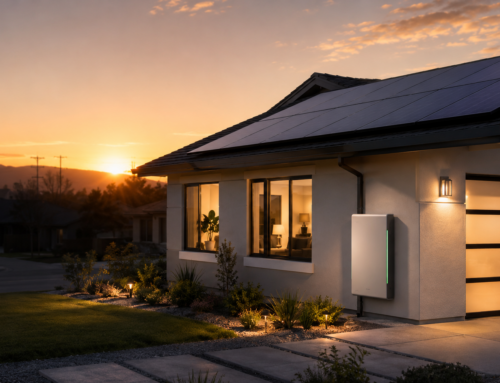
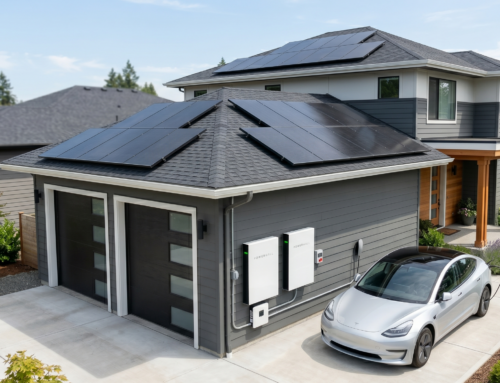
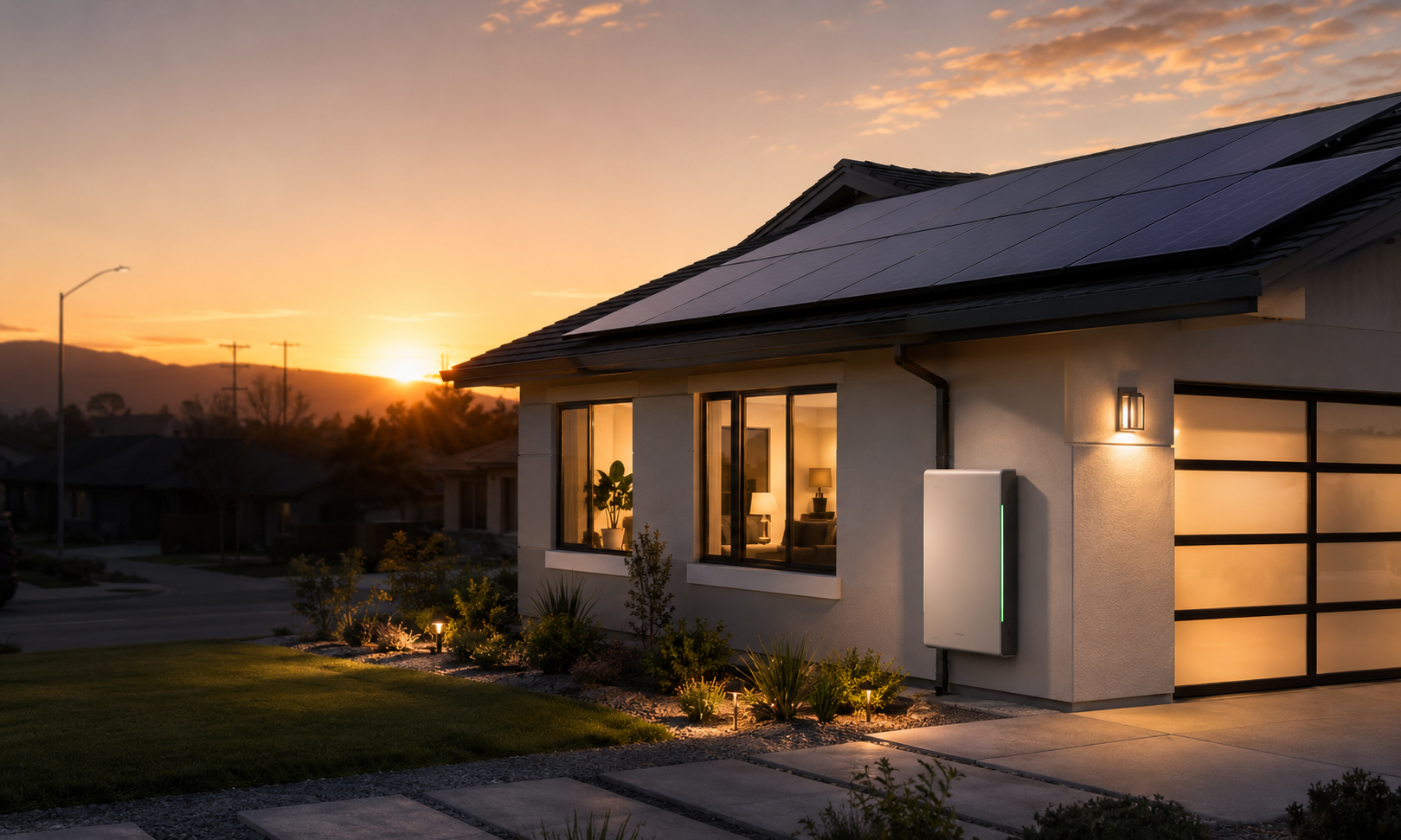
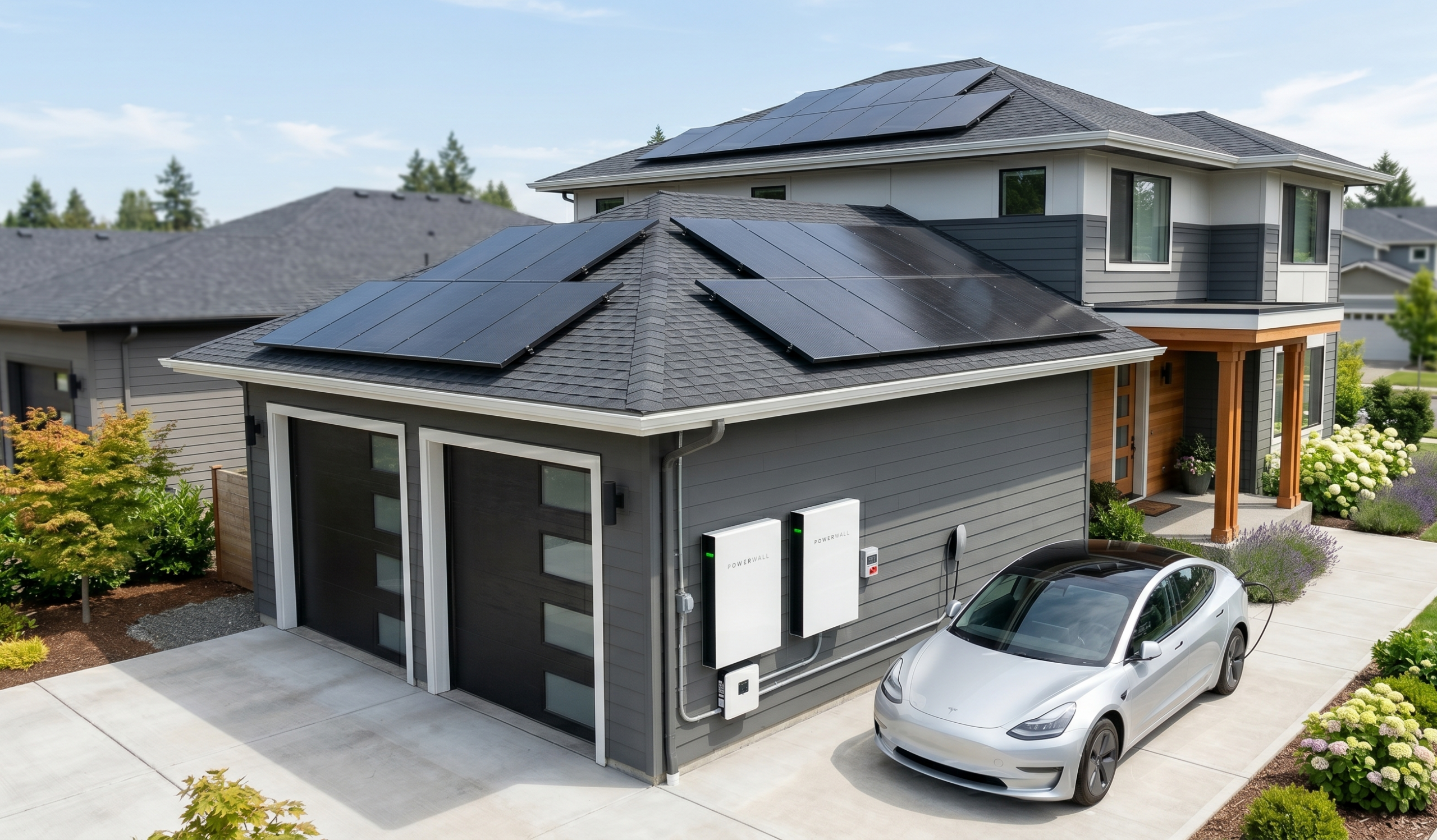
Ambrose Solar’s battery storage solutions include technologies designed for backup power, energy management, and greater solar self-consumption.
Decide Which Loads Matter Most
- Refrigeration
- Medical equipment
- Internet and communications
- Lighting
- Security
- Selected cooling
- Home office equipment
The battery design should reflect the household’s actual priorities and desired runtime.
Review the System Before Red Flag Weather
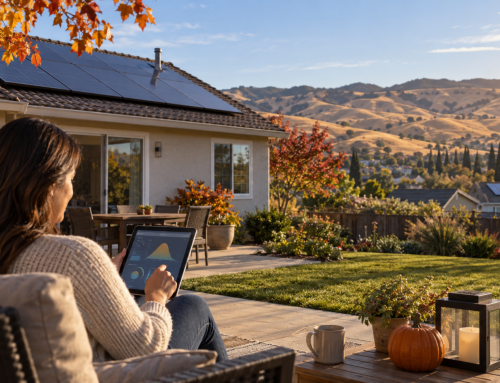
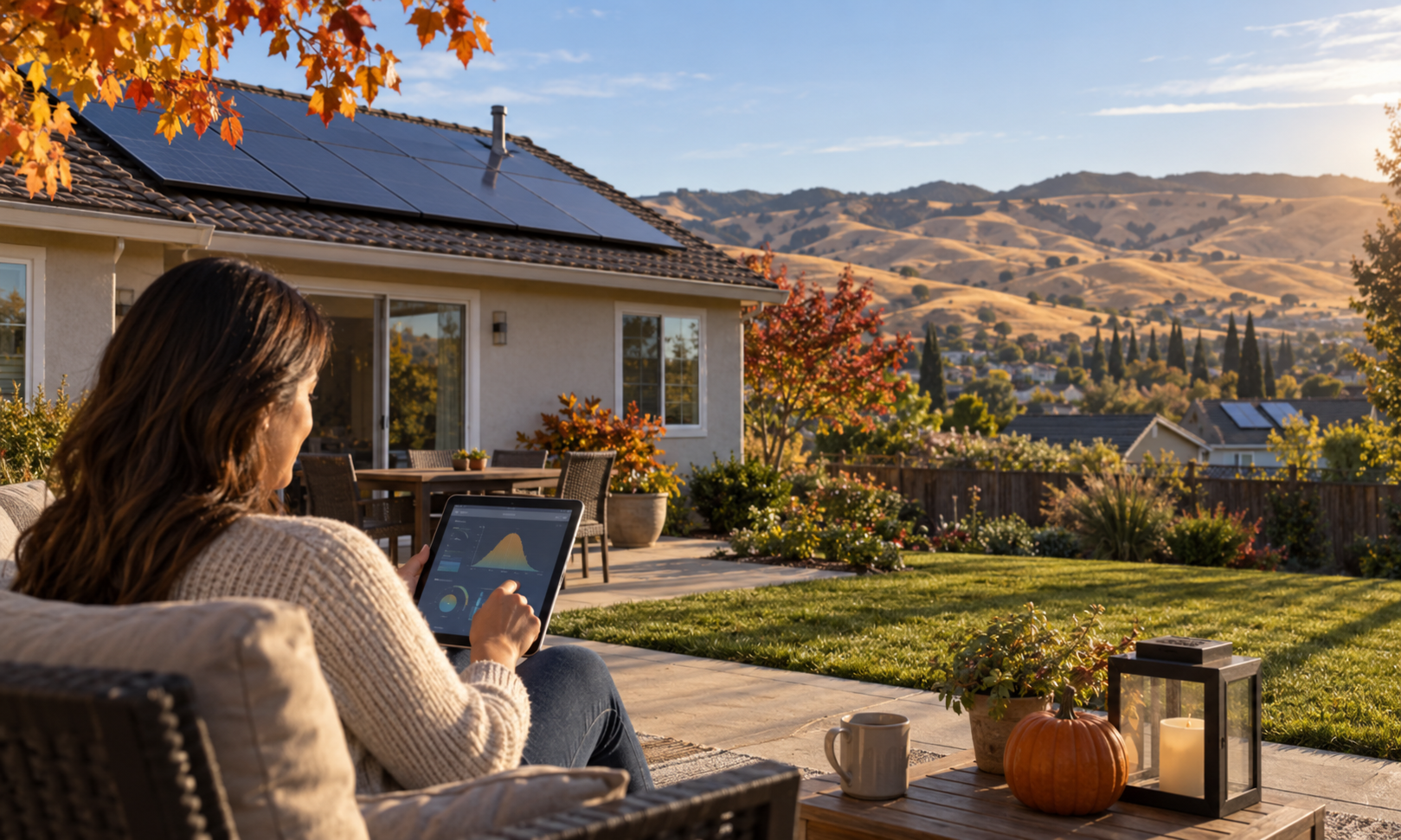
Open the monitoring platform, confirm production data is current, and note any alerts. If the system is not performing normally, Ambrose provides solar service and maintenance for systems installed by Ambrose and other companies.
Plan for Energy Conservation During an Outage
Stored energy lasts longer when large discretionary loads are reduced. Delay EV charging, laundry, and other nonessential electrical use when backup runtime is the priority.
Battery Storage Also Has Everyday Value
Storage can help shift solar energy from daytime production into later household use. Ambrose’s guide to battery storage under California’s current net-billing environment explains why self-consumption is increasingly important.
What a Northern California Outage Plan Should Include
Backup energy works best when the household knows how to use it. Keep utility alerts enabled, save battery and installer support contacts, and make sure family members know which circuits are backed up. If a longer outage is possible, reduce discretionary loads early rather than waiting until the battery is nearly depleted.
Why Fire-Weather Outages Are Different From Ordinary Outages
A PSPS may come with advance notice, but restoration timing depends on weather and utility inspection of lines. Homeowners should be prepared for uncertainty rather than planning around a fixed outage duration. That makes load prioritization and communication especially important.
Existing Solar Owners Have Options Too
Battery storage is not only for brand-new solar installations. Many existing systems can add storage after a compatibility review. The installer should evaluate inverter architecture, electrical service, available wall space, backup-load design, and how the battery will interact with current solar production.
Red Flag Season Checklist
- PG&E contact information current
- Solar monitoring working
- Battery reserve settings understood
- Critical loads identified
- Emergency supplies ready
- Outdoor fire and wind hazards addressed
- Service contacts saved
Battery Backup Is Also a Comfort Decision
For many Northern California households, outage planning is not only about keeping a refrigerator cold. Internet access, home offices, medical equipment, and selected cooling can affect whether a family can remain comfortably at home during a shutoff. Those priorities should be discussed during design rather than assumed afterward.
Consider Future Electrification Before Choosing Storage
An EV, heat pump, or electric water heater can significantly change household demand. If those upgrades are planned, tell the solar and storage designer now. A system built only around today’s usage may not reflect the home’s needs a few years from now.
Use Local Service History as Part of the Decision
Solar and batteries are long-term equipment. Ask who will support the system after installation, how monitoring is handled, and what service options are available if the original equipment manufacturer requires a warranty claim. A local service team can be just as important as the hardware.
Frequently Asked Questions
Does a PSPS happen every time there is a Red Flag Warning?
No. Utilities evaluate multiple weather and system conditions.
Can I add a battery to existing solar?
Often, yes. Existing inverter architecture, electrical equipment, and backup goals should be evaluated first.
Does Ambrose serve areas beyond Vacaville?
Yes. Ambrose lists Solano, Yolo, Napa, Sacramento, El Dorado, Placer, Contra Costa, Sutter, and other Northern California counties.
Prepare Before the Wind Changes
Explore Ambrose Solar’s residential solar and battery options, or use the solar calculator to begin evaluating a Northern California home-energy system built for savings and resilience.