Smoke, Ash, and Efficiency: How Northern California Wildfires Impact Solar Output
Wildfire ash solar panel maintenance is essential for Northern California homeowners who want to protect solar output during smoke season. Smoke, dust, and particulate buildup can reduce the sunlight reaching your panels, making proactive monitoring and safe cleaning especially important.
Northern California summers bring reliable sunshine, but they also bring seasonal environmental challenges. Wildfire season creates significant atmospheric smoke, falling particulate matter, and heavy ash accumulation across Solano, Napa, and surrounding counties. While high-grade photovoltaic systems are built to withstand harsh climate conditions, severe particulate coverage physically blocks sunlight from reaching the silicon cells beneath. Property owners must understand the importance of routine wildfire ash solar panel maintenance to preserve system output and safeguard long-term energy savings.
How Wildfire Ash Degrades Photovoltaic Performance
Solar panels function by absorbing photons from direct and indirect sunlight. When smoke plumes settle over Northern California, particulate matter creates an atmospheric filter that reduces solar irradiance before light ever hits your roof. As soot and ash settle onto the surface of the glass, they form an opaque barrier.
- Layered Light Occlusion: A fine coating of dry ash can reduce system production by 10% to 20%. Heavy, compacted ash layers combined with morning moisture can cause output drops exceeding 30%.
- Micro-Crystalline Abrasions: Ash contains mineral residues and fine silica particles. If wiped improperly, these particles can cause micro-scratches on protective anti-reflective glass coatings.
- Thermal Hotspots: Uneven accumulation of heavy debris causes localized shading across individual solar cells. Over time, uneven cell heating can degrade panel efficiency and shorten hardware life spans.
Given these environmental factors, incorporating proactive wildfire ash solar panel maintenance into your household upkeep ensures your system operates at peak capacity throughout smoke season.
Best Practices for Safe and Effective Maintenance
Maintaining clean solar modules requires safe techniques to avoid physical damage to the equipment or personal injuries on steep roofing.
- Monitor System Monitoring Software First: Before inspecting equipment physically, check your solar monitoring app (such as Enphase or SolarEdge). A gradual or sharp drop in historical output during wildfire events typically confirms soot buildup.
- Never Clean Hot Panels with Cold Water: Spraying cold water on solar glass heated under direct sun can induce thermal shock, potentially cracking the glass surface. Schedule rinse procedures early in the morning or late in the evening.
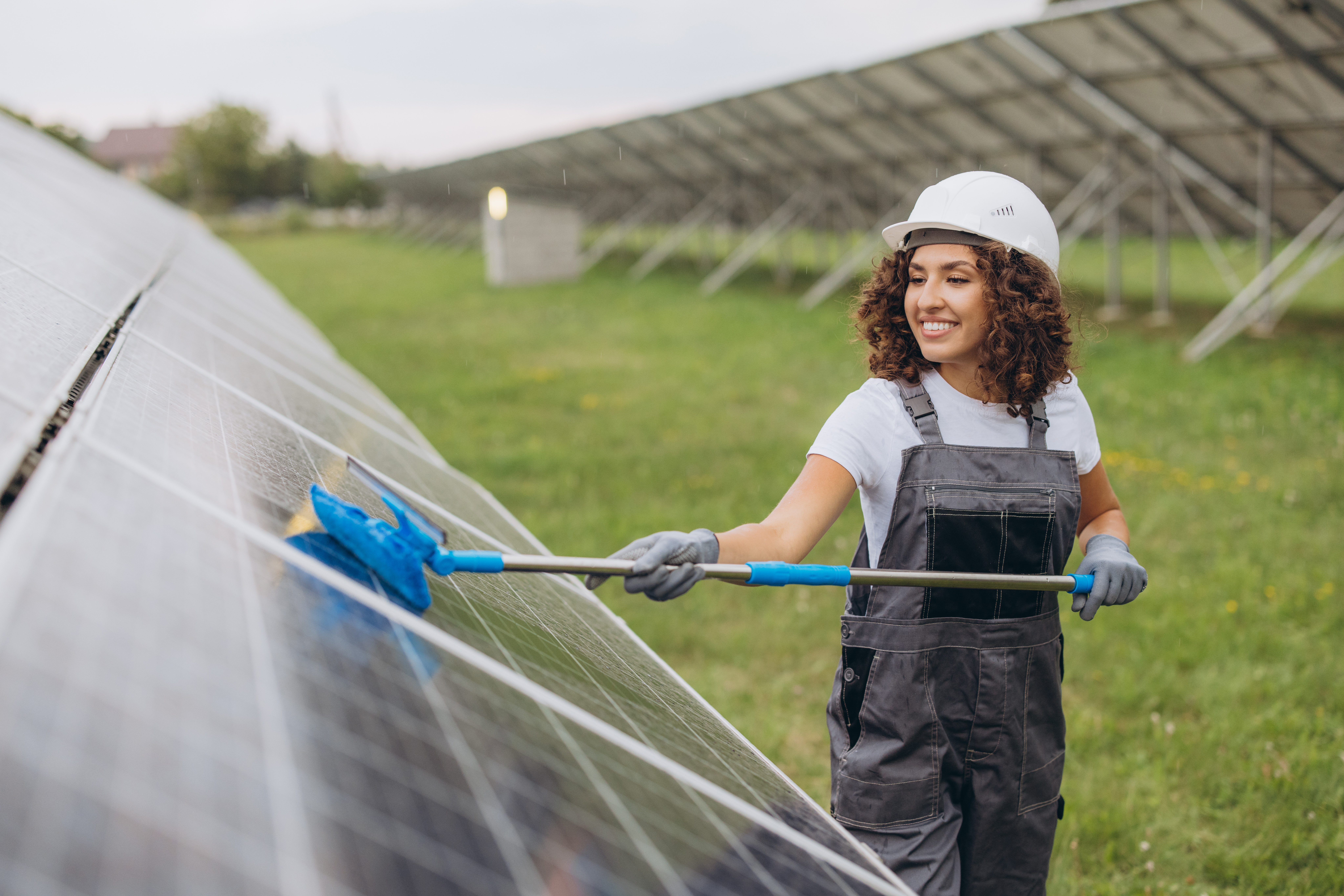
- Avoid Harsh Chemicals and Abrasives: High-pressure washers, stiff-bristled brooms, and abrasive detergents strip protective surface treatments. Low-pressure water streams and soft microfiber extension brushes are required for safe wildfire ash solar panel maintenance.
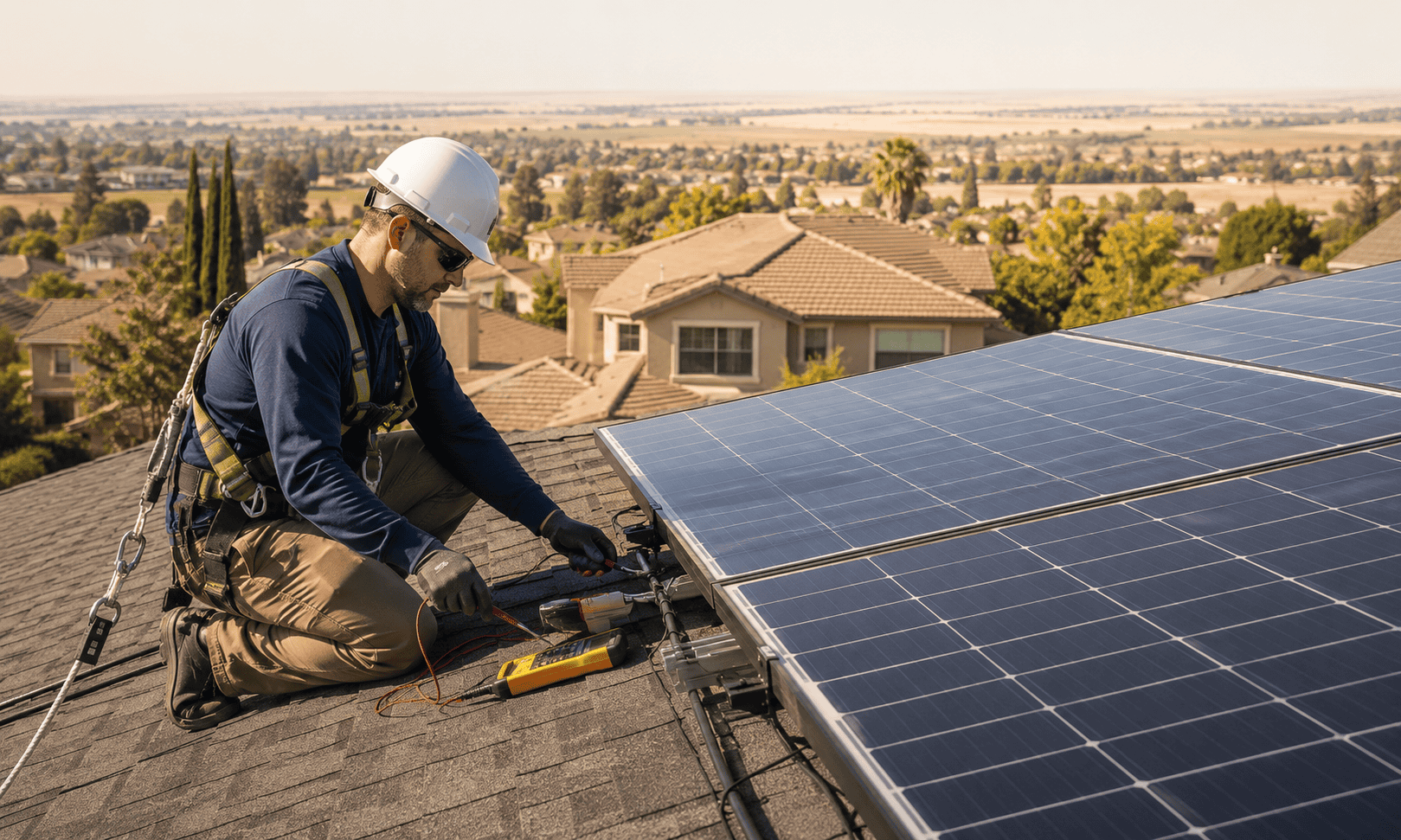
- Prioritize Ladder and Roof Safety: Roof surfaces coated in wet ash become exceptionally slick. If access presents physical risks, professional maintenance services are strongly recommended.
The Role of Professional System Health Checks
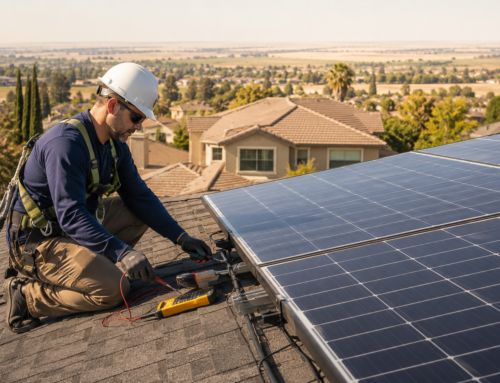
While rinsing surface debris clears immediate physical blockages, post-wildfire conditions also warrant professional inspection. Smoke residue can settle inside electrical conduit connections, while elevated summer heat stresses inverter components. Combining DIY surface clearing with professional wildfire ash solar panel maintenance protects electrical reliability and maintains hardware warranties.
Protecting Your Renewable Energy Investment
Photovoltaic solar panels remain one of the most reliable renewable energy technologies available. However, Northern California’s unique seasonal environmental conditions demand proactive care. Ensuring your solar array remains free of obstructive soot, dust, and particulate buildup allows your household to capture maximum irradiance year-round.
Do not let atmospheric buildup compromise your daily energy production. Ambrose Solar offers comprehensive maintenance guidance and technical support to keep your solar investment operating at maximum efficiency.
Ensure your home solar energy system is performing at its best. Contact our team today for a Free Quote and schedule your comprehensive system evaluation.