What Sets a Quality Solar Installer Apart (And Red Flags to Watch For)
Choosing a solar installer is one of the most important decisions in your solar journey. While panels and equipment matter, the installer you choose will determine how well your system performs—and how supported you are for decades to come.
With so many companies offering solar, knowing what actually sets a quality installer apart can save you time, money, and frustration.
Why the Installer Matters More Than You Think
Solar is a long-term investment. A poorly designed or improperly installed system can underperform, cause roof issues, or lead to warranty headaches down the road.
A quality installer ensures:
- Accurate system design
- Proper permitting and inspections
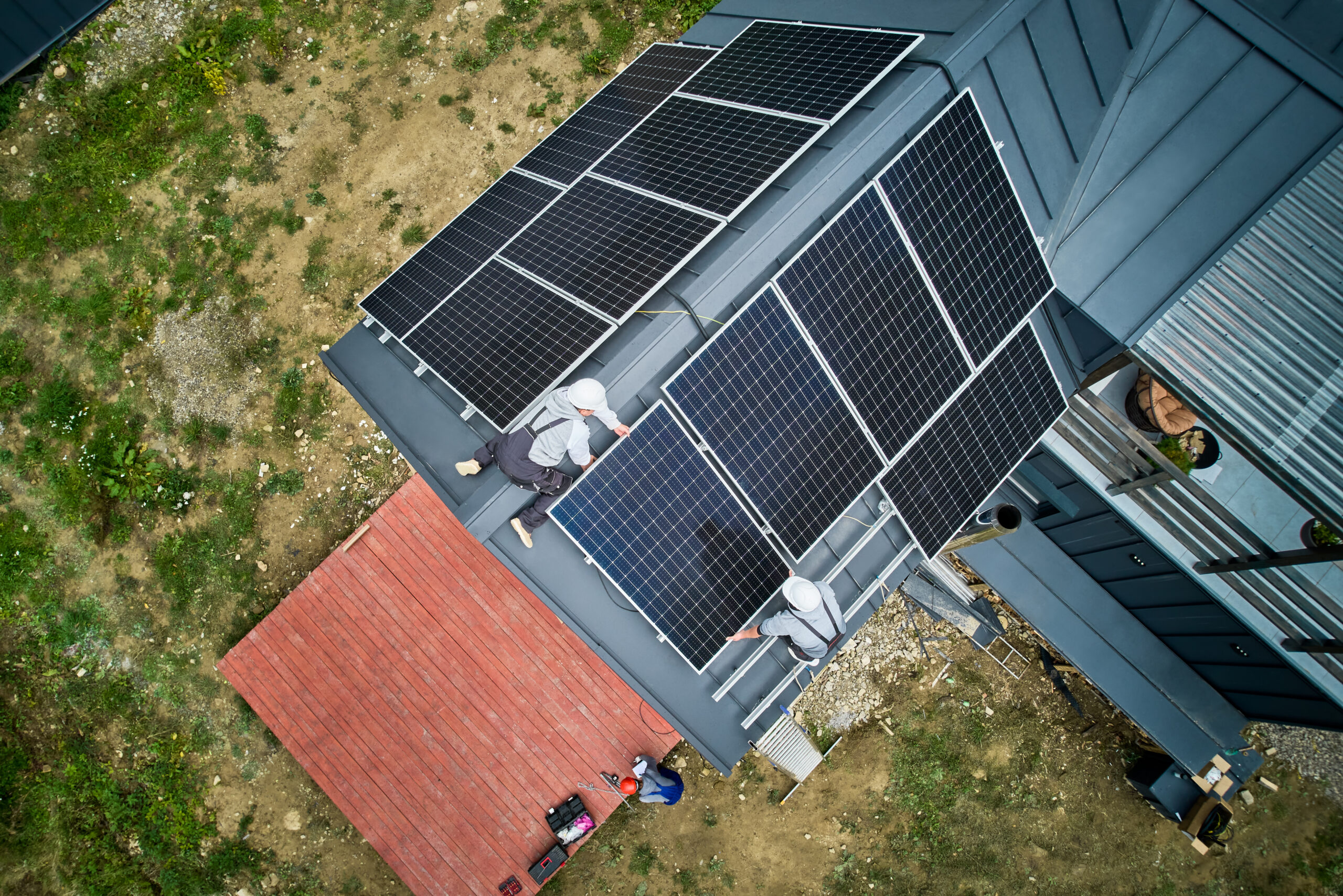
- Clean, code-compliant installation
- Long-term service and support
Signs of a High-Quality Solar Installer
Here’s what to look for when evaluating solar companies:
- Transparent Pricing and Clear Proposals
You should understand what you’re paying for (equipment, labor, warranties, and timelines) without vague language or pressure tactics. - Custom System Design
No two homes are the same. A trustworthy installer tailors their system designs to your roof, usage patterns, shading requirements, and future energy requirements, rather than offering a universal solution. - Strong Local Presence
Installers who operate locally are easier to reach, understand regional permitting, and are more likely to stand behind their work long-term. - Proven Track Record
Look for consistent reviews, completed projects, and real customer experiences, not just flashy ads. - Clear Warranty Coverage
A quality installer explains:
- Equipment warranties
- Workmanship warranties
- What happens if service is needed later
Solar Installer Red Flags to Avoid
Be cautious if you encounter any of the following:
- High-pressure sales tactics or “today only” pricing
- Quotes that seem dramatically lower than others without explanation
- No clear explanation of system size or production estimates
- Vague answers about warranties or service
- Out-of-area companies with no local support
Cheap solar often ends up being expensive solar.
Why Design and Engineering Matter
Many homeowners focus on panel brand alone, but system design and engineering often have a bigger impact on performance.
A well-designed system accounts for:
- Roof orientation and pitch
- Shading throughout the year
- Electrical panel capacity
- Future energy usage changes
This level of detail separates long-term value from short-term installs.
Questions You Should Ask Before Signing a Solar Contract
Before moving forward, ask:
- Who installs the system, employees or subcontractors?
- What happens if I need service in five or ten years?
- How is system performance monitored?
- What permits and inspections are included?
A trustworthy installer welcomes these questions.
Choosing Confidence Over Convenience
Solar should feel like a confident decision, not a rushed one. Investing time in evaluating your installer can significantly impact system performance and provide peace of mind.
At Ambrose Solar, we believe informed homeowners make better decisions. Transparency, thoughtful system design, and long-term support form the foundation of our approach, as we believe in the longevity of solar power.